
The Longing
Application Systems Heidelberg Software GmbHAdventure
4.193.00 Reviews
- Version
- 1.25
- Installs
- 50.00K
- Age Rating
- Everyone 10+
Screenshots
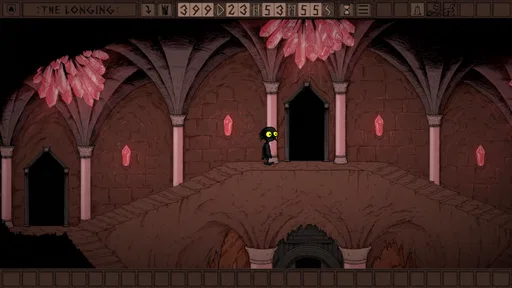
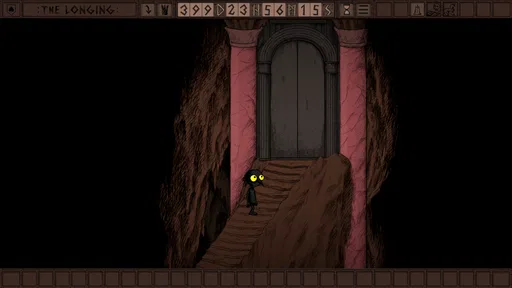
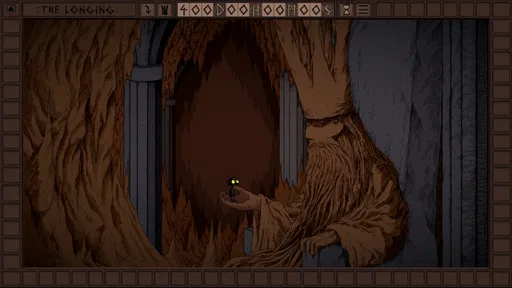
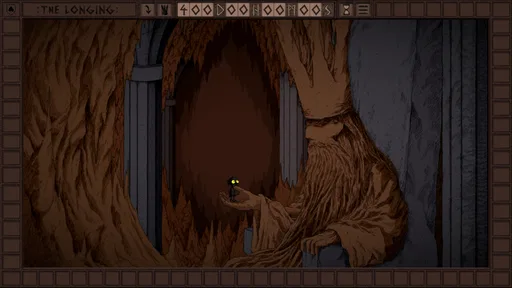
Our Review of The Longing
 Analysis by Appyee
I usually know what I want from an adventure game: a place to explore, something to work toward, and a reason to keep playing. The Longing turns that expectation inside out. Its central challenge is not racing toward a finish but deciding how to spend a long stretch of time in a quiet underground world. That makes it a curious, sometimes absorbing choice—and a poor fit if you want constant action or quick rewards.
What the $4.99 purchase means
This is a paid game, priced at $4.99, rather than a free download with an ongoing cost attached. I’d judge that purchase by whether you enjoy its particular kind of slow, atmospheric adventure, not by how many hours you can squeeze into a session. The premise asks you to let time pass, so its value is measured partly in the mood and curiosity it creates between visits.
It has a 4.1 average from around 685 ratings, and more than 50,000 installs. Those figures suggest that plenty of players have tried it, but they can’t tell you whether its unusual pace will suit you. The game is developed by Application Systems Heidelberg Software GmbH, is rated Everyone 10+, and version 1.25 requires Android 10 or later. It was released on November 29, 2023.
Value in a game that does not hurry you
What I find distinctive is the way the waiting premise shapes the experience rather than serving as a decorative story hook. You can explore, look for secrets, solve puzzles, and make a small home feel more personal. The slower rhythm gives those actions room to feel deliberate, while the underground setting and hand-drawn presentation help the world feel different from a typical adventure built around constant forward motion.
For me, the strongest reason to pay is the chance to inhabit that atmosphere over time. This is not the sort of purchase I’d recommend to someone who equates value with a steady stream of new challenges every time they open a game. If quiet exploration and a game that leaves space for reflection sound appealing, though, the price may feel fair for the unusual experience it offers.
Trade-offs to consider before buying
The central trade-off is also the easiest one to overlook: the game’s pace can feel refreshing when you want a break from urgency, but frustrating if you expect every action to produce immediate progress. Its long real-time premise makes it especially unlike a conventional adventure you can finish through a few focused sessions. I would not buy it expecting a brisk story or a reliable short-session payoff.
The same restraint that supports its atmosphere can leave you unsure what to do next. I’d approach it with curiosity instead of treating it like a checklist: explore when you feel like exploring, and accept that some developments take time. If you prefer clear objectives, frequent combat, or tightly guided levels, a more traditional adventure will probably be a better match.
Who is likely to get the most from it?
I can imagine opening it during a quiet break, wandering a little, then leaving it alone until another day. That stop-and-return rhythm fits the premise better than trying to force a long marathon session. It may appeal to players who like reflective games, solitary settings, and puzzles that reward paying attention rather than acting quickly. It is less suited to anyone who wants a game to fill every spare minute with new action.
If you’re deciding whether this is a good first adventure game, I’d say it depends on what you want to learn from the genre. It offers exploration and puzzles, but it does not represent the usual action-led or mission-driven approach. I’d choose it for its mood and unusual relationship with time, not as a substitute for a conventional adventure campaign.
A Journey Into the Depths
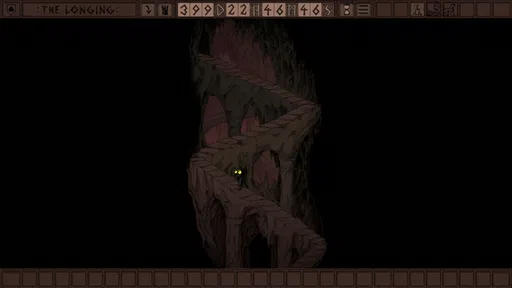
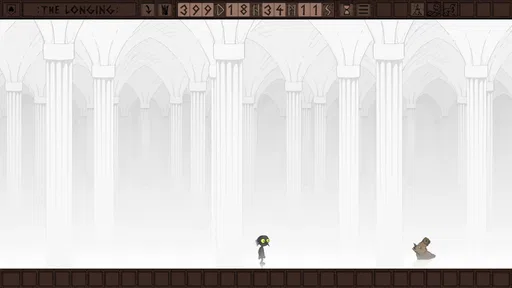
The Longing places you in the shoes of a Shade, a lonely servant tasked with waiting 400 real-time days for the awakening of his king. From the start, the game pulls you into a cavernous underground kingdom, filled with mystery and a haunting ambiance. The art style is beautifully hand-drawn, giving the game a unique and immersive feel.
The Art of Waiting
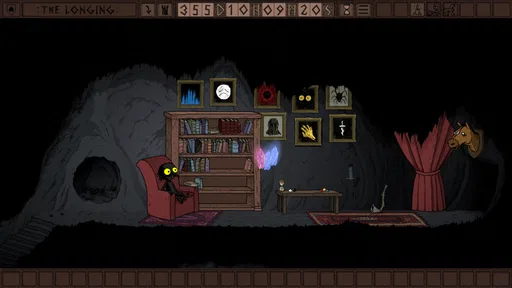
Patience is more than a virtue in this game; it’s a gameplay mechanic. You can explore the vast caverns, solve puzzles, and collect items to decorate your little abode. But here's the catch: time passes in real-time. Whether you’re playing or not, those 400 days are ticking down, pushing you to ponder what to do with the time you have.
This might sound daunting, but for those who enjoy a slow-paced approach, it’s a refreshing change. The game gently nudges you to explore at your own pace, allowing for a deeply personal experience. You can literally walk away from the game for days, come back, and find that the world has subtly changed.
Exploration and Discovery
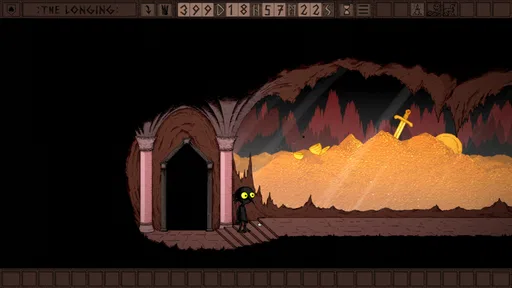
The underground world is vast and filled with secrets. As you wander through the caverns, you'll stumble upon hidden areas, each with its own story. The puzzles are cleverly designed and often require patience and a keen eye. You might find yourself waiting for a specific event to occur or a particular area to open up. This adds a layer of anticipation and satisfaction when things finally fall into place.
There are many ways to pass the time. You can read books, draw, or even play musical instruments. These activities don't just serve as time fillers; they add depth to your character and the world itself.
The Emotional Impact
One of the most compelling aspects of The Longing is its ability to evoke emotions. The solitude of the Shade is palpable. As days turn into weeks and months, you feel a connection to this lonely figure, rooting for his perseverance. It’s introspective and can lead you to reflect on your own life and how you spend your time.
The atmosphere is enhanced by a hauntingly beautiful soundtrack that underscores the sense of isolation and hope. The game doesn't just tell a story; it invites you to become part of it, to feel the passage of time and the weight of waiting.
Is It For You?
If you’re someone who thrives on fast-paced action, The Longing might not be your cup of tea. But if you’re open to something different, something that challenges the way you view gaming, you might find this experience deeply rewarding. It’s a game that doesn’t demand constant attention but rewards patience and contemplation.
In a world where instant gratification is often the norm, this game stands out by doing the exact opposite. It’s a reminder of the value of patience, the beauty of solitude, and the power of time.
So, if you’re ready to embark on a 400-day journey, give The Longing a try. It’s not just a game; it’s an experience—one that might just linger in your thoughts long after the king awakens.
A practical way to approach the long wait
One useful way to play is to separate “checking in” from “making progress.” I would not open it every time I have a spare minute expecting a fresh event; instead, I’d treat a visit as a small expedition. Pick a nearby passage, inspect what is around you, and leave with one clear thing to remember. That makes the next visit feel connected without turning the game into another daily chore.
It also helps to notice what the game is asking for before repeatedly trying the same route or puzzle. The slow pace makes observation part of the work: a detail in the surroundings, a new accessible area, or the state of your home may be more useful than rushing back and forth. When I feel stuck, I’d change focus—explore a different stretch of cavern or spend time with one of the quieter activities—rather than assuming every obstacle has an immediate solution.
What a normal play session can look like
Picture a calm evening when you have ten minutes before putting your phone away. You could open the game, walk through a section you have not inspected closely, try to understand a puzzle, then stop without needing to finish a chapter. The next time you return, the appeal is partly that the world has continued its slow passage while you were doing something else. That makes it easier to fit around ordinary life than an adventure that expects a long, uninterrupted sitting.
There is a trade-off in that convenience: if you prefer to keep a game open and actively play until you reach a definite milestone, these short visits may feel incomplete. I would not treat the real-time structure as a promise that every return will deliver a dramatic change. The enjoyment comes more from keeping company with the place and noticing small discoveries than from demanding a reward on schedule.
How it differs from familiar adventures
Compared with a typical exploration game, this one puts less emphasis on constant movement from objective to objective. Compared with a puzzle adventure, it is less about solving a chain of challenges in one sitting and more about letting curiosity guide what you inspect. And compared with an idle game built around frequent taps or optimization, its appeal is not simply watching numbers rise; the atmosphere, solitude, and slow interaction with the cavern matter more.
That distinction is useful before buying. If you want a map full of clear markers, rapid combat, or a tightly paced plot, another adventure will give you a more familiar sense of momentum. If you enjoy games that leave unanswered questions and let the environment set the tempo, this offers a more unusual alternative. I would choose it as a deliberate change of pace, not as an all-purpose replacement for faster games.
Small choices that make the experience work better
First, resist the urge to turn every visit into a task list. The Shade’s home and the activities available there give you something quieter to do when exploration feels tiring, while the caverns offer a reason to head outward when you want discovery. Switching between those modes can keep the experience from becoming a repetitive search for the next secret.
Second, remember where you left off in your own words. A simple mental note such as “I was testing the eastern passage” can make a return more purposeful without spoiling the sense of wandering. Because the experience unfolds across visits, this small habit is more useful than trying to remember every detail of a sprawling underground environment.
Finally, give the game permission to be uneventful sometimes. That is not a flaw to overcome so much as a condition of its design, though it will not suit everyone. If a quiet session leaves you restless, close it and come back when you want a slower mood rather than pushing through out of obligation.
Questions worth settling before you decide
Is it something I can play in short bursts? Yes, its unhurried structure makes brief visits a natural way to engage, although a short session may not end with a major breakthrough. Do I need to remain in the game for the full wait? No: the premise specifically allows time to pass while you are away, so it is not asking for continuous attention. That also means it should not be mistaken for a conventional game that rewards constant active play.
Will it suit a younger player? Its age rating is Everyone 10+, but the more important question is whether that player enjoys quiet exploration and patience rather than fast action. Is the purchase worthwhile? I think so for someone drawn to its distinctive atmosphere and willing to accept its slow pace; I would skip it if the main goal is a lively adventure with frequent, predictable milestones.
My buy-or-skip verdict
I would buy this when I wanted an adventure that feels closer to a patient visit to a strange place than a race through a campaign. Its paid price is straightforward, and the experience offers a clear identity: solitude, subterranean discovery, puzzles, and time passing beyond each session. The 4.1 average and around 685 ratings provide context, but the deciding factor should be your comfort with that unusual rhythm.
My recommendation is conditional, not universal. Choose it if you like reflective games and are happy to let exploration unfold gradually; skip it if you need brisk objectives, frequent action, or a strong sense of completion every time you play. For the right player, the waiting is not empty space between the interesting parts—it is the idea that gives the journey its character.
Verdict
Strengths of The Longing
- Unique art style enhances atmosphere.
- Real-time gameplay encourages patience.
- Deep, philosophical narrative.
- Minimalist controls are easy to learn.
- Offline mode available for uninterrupted play.
Limitations of The Longing
- Slow pace may not suit everyone.
- Limited actions can feel repetitive.
- No tutorial for new players.
- Graphics may seem too simplistic.
- Requires a long-term time commitment.
Similar Picks in This Category
View All
Roblox
Roblox Corporation4.2

Pokémon GO
Niantic, Inc.3.5

Ninja warrior: legend of adven
TOH Games4.6

Ninja Arashi
Black Panther4.6

Eyes - The Horror Game
Fearless Games sp. j.4.5

Critical Action:Gun Strike Ops
FPS Shooter & Action Game4.3
Frequently Asked Questions
What is the main objective of The Longing?
In The Longing, the primary objective is to wait for 400 real-time days for the awakening of the King. Players embody a Shade, whose task is to occupy this time by exploring a vast underground cave system, discovering secrets, solving puzzles, and engaging in various activities to pass the time. The game's unique concept revolves around patience and exploration.
How does time progression work in The Longing?
Time in The Longing progresses in real-world time, meaning that 400 days in the game equate to 400 actual days. However, players can influence the passage of time by engaging in activities such as reading, exploring, or decorating the Shade's home. These actions can sometimes accelerate the countdown, offering strategic ways to affect the flow of time.
What kind of gameplay experience can I expect from The Longing?
The Longing offers a unique, meditative gameplay experience focused on patience and anticipation. It is not action-packed; instead, it encourages players to explore at their own pace. The game is about discovering secrets, forming a bond with the Shade, and appreciating the passage of time, making it ideal for those who enjoy slow-paced, thoughtful gameplay.
Are there multiple endings in The Longing?
Yes, The Longing features multiple possible endings based on the player's choices throughout the game. The decisions you make as the Shade, including how you spend your time and which paths you explore, can lead to different outcomes. This adds replayability and encourages players to experiment with different strategies and choices.
Can I pause the game, or does time always move forward?
In The Longing, time continues to move forward even when the game is not running, reflecting its real-time nature. However, you can pause the game to stop your current activities without affecting the countdown. This feature allows players to take breaks and return to the game whenever they choose, without losing progress.
Play our best games!


